Collision
Collision claims
What collision coverage pays for, how the deductible and the value of your car set the check, the rules on estimates, and when the deductible comes back.
By Valoroath Editorial Team Updated 7 min read
In plain terms
Collision coverage pays to repair your car after it hits another vehicle or an object, or rolls over, whoever caused the crash. The insurer pays the lesser of the repair cost or the car's actual cash value, minus your deductible. On a $4,200 repair with a $500 deductible, that is $3,700. Hitting a deer or having a rock crack the windshield is usually a comprehensive loss instead. If another driver caused the crash, your insurer can recover what it paid from them and, if it recovers in full, return your deductible. Collision is optional under state law, though a loan or lease contract may require it.
- Pays whoever was at fault
- Yes, minus deductible
- Most it pays
- Lesser of ACV or repair
- Hitting a deer is
- Comprehensive, not this
- Required by state law?
- No (optional coverage)
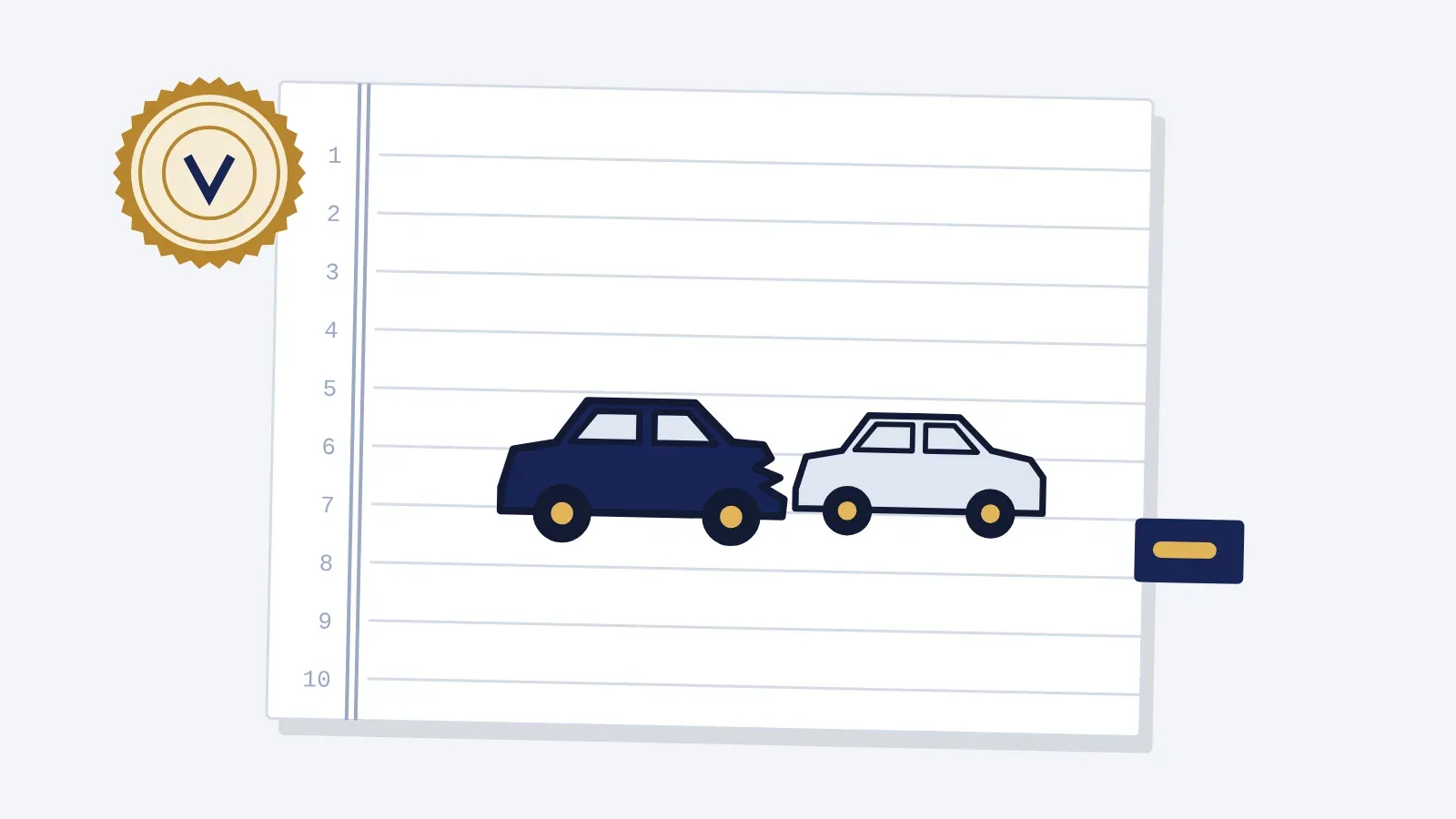
What counts as a collision
The standard personal auto policy defines collision as the upset of your covered car, or its impact with another vehicle or object. The NAIC's consumer guide puts it as damage from a collision with another car, an object, a pothole, or flipping over. The same form lists losses that are "other than collision," which most insurers sell as comprehensive coverage, and the line between the two decides which deductible applies.
| What happened | Coverage |
|---|---|
| You rear-end a car, or a car hits you | Collision (or the other driver's liability) |
| You hit a pole, a guardrail or a parked car | Collision |
| The car rolls over or drops into a deep pothole | Collision |
| You hit a deer or a bird | Other than collision (comprehensive) |
| You swerve to miss a deer and hit a tree | Collision: the impact was with the tree |
| Glass breaks in a crash | Comprehensive, unless you choose to treat it as collision |
Collision also covers a non-owned car you drive, such as a borrowed car, under the terms of your policy. It doesn't pay for wear and tear, mechanical breakdown or road damage to tires. Loss to the car from hail, theft or fire is covered in comprehensive claims.
How the check is calculated
The standard form caps the payment at the lesser of the car's actual cash value or the amount needed to repair or replace the damaged property with property of like kind and quality. Your deductible comes off the result. If more than one of your cars is damaged in the same collision, only the highest deductible applies.
| Case | Repair estimate | Car's value | Paid |
|---|---|---|---|
| Fender and headlight | $1,400 | $15,000 | $900 ($1,400 − $500) |
| Front-end crash | $4,200 | $15,000 | $3,700 ($4,200 − $500) |
| Older car, heavy damage | $7,500 | $7,000 | Total loss: $6,500 ($7,000 − $500), plus taxes and fees where owed |
On the first line, the claim pays $900. Whether that is worth a claim, given a possible premium increase, is a question for the claim or pay calculator. On the last line, repairs would cost more than the car is worth, so the insurer pays its value instead; how that settlement should be built is in total loss claims. If a repair leaves the car better than before, for example new parts on a worn panel, the standard form lets the insurer deduct the betterment.
Estimates, the shop and supplements
- Inspection first. The standard form requires you to let the insurer inspect and appraise the damage before repair, and to take reasonable steps to protect the car from more damage. The insurer pays reasonable costs of doing so.
- A copy of the estimate. Under the NAIC model regulation many states follow, if the insurer settles on its own estimate, you get a copy.
- A higher shop estimate. If your shop's estimate is higher, the insurer must pay the difference or name at least one shop that will do the repair for its estimate.
- No long trips. The insurer can't require you to travel an unreasonable distance for an estimate or a repair.
- Supplements. When the shop finds hidden damage after taking the car apart, it sends a supplement; the insurer may re-inspect before approving it.
If you and the insurer agree the loss is covered but not on the amount, the policy's appraisal clause lets each side hire an appraiser, with an umpire to break a tie. Which shop and parts you can insist on is covered in choosing a repair shop and parts.
Before you file a collision claim
- Check the declarations page. It shows whether the car has collision coverage and the collision deductible, which can differ from the comprehensive deductible.
- Report the crash promptly even if you are not sure you will claim. The policy requires prompt notice, and a late report can cost you coverage if the other driver claims against you.
- Gather what the adjuster will ask for: photos of the damage, the police report number, the other driver's insurance details and a repair estimate if you have one.
- Decide on the route. If another driver caused the crash, compare a claim on your collision coverage with a claim against their liability insurance.
- Check your transport. The 2005 standard form adds a small allowance for temporary transportation, $20 a day up to $600 with no deductible. Many policies sell rental reimbursement as an extra coverage with higher limits.
How long a rental lasts and what it pays is in rental reimbursement during repairs.
Getting your deductible back
When another driver caused the crash, claiming on your own collision coverage is often faster than waiting for their insurer to accept fault; the choice is laid out in first-party vs. third-party claims. Your insurer then uses its right to recover payment, called subrogation, against the other driver and their insurer. If it recovers everything, it can return your deductible. If it recovers part, because you shared the fault, you may get part of it back.
- Missouri requires your insurer, if you ask, to include your deductible in its demand against the at-fault driver's insurer and to share what it recovers; see Missouri claim rules.
- Michigan, a no-fault state where your own collision coverage pays for your car, lets you recover up to $3,000 of vehicle damage your insurance doesn't cover, such as your deductible, from the at-fault driver for crashes after July 1, 2020; see Michigan claim rules.
Questions people ask
Does collision insurance pay if the accident was my fault?
Yes. Collision coverage pays for your car whoever caused the crash, minus your deductible, up to the lesser of the repair cost or the car's actual cash value.
Is hitting a deer a collision claim?
Usually not. The standard policy treats contact with a bird or animal as an other-than-collision loss, which comprehensive coverage pays. Swerving to miss an animal and hitting a tree or a guardrail is a collision.
Do I get my deductible back if the other driver was at fault?
Often, if your insurer recovers from the other driver's insurer. A full recovery usually means your deductible comes back; a partial one, when you shared the fault, may return part of it. Some states, such as Missouri, set rules for including it.
Is collision coverage required?
Not by state law; the NAIC describes it as optional. A loan or lease contract may require it while you owe money on the car, so check yours before you drop it.
Sources on record
- ISO Personal Auto Policy PP 00 01 01 05, Part D, filed with the Virginia State Corporation Commission, Bureau of Insurance
- NAIC — What does auto insurance cover? (June 11, 2026)
- NAIC — Auto insurance consumer guide
- NAIC — Unfair Property/Casualty Claims Settlement Practices Model Regulation (MDL-902), Section 8
- Missouri Code of State Regulations, 20 CSR 100-1 — Unfair claims settlement practices
- Michigan Compiled Laws 500.3135 — Tort threshold, fault bar and mini-tort
- California Department of Insurance — So You've Had an Accident, What's Next? (estimates and re-inspection)
Facts on this page were checked against these sources on November 11, 2026. Policy wording is from the 2005 edition of the standard form; your insurer's form may differ.
Ask a licensed agent to review your coverage
After a claim, the policy you had is the one you can still change. Describe your situation and Valoroath passes it to licensed insurance agents and insurers who can review your coverage and quote, if you want them to. Valoroath itself does not sell insurance or handle claims.
- 1 Five questions about your car, your record and your policy.
- 2 Who to ask for, and your consent to be contacted.
- 3 A licensed insurance agent or insurer reviews what you have. You change nothing unless you choose to.
Sending this request shares your answers and contact details with the licensed insurance agents and insurers who receive it, which some state privacy laws treat as a sale; see your privacy choices. An agent reviews your coverage; they can't take on your claim or a dispute with your insurer. You pay Valoroath nothing. The licensed insurance agents and insurers who contact you pay Valoroath for requests and set their own prices and terms; your claim stays with your insurer. How we make money.
Next in the file
-
How claims work
Comprehensive claims
Hail, theft, glass, fire and animals: what comprehensive covers, what it leaves out, and how it pays.
-

How claims work
Subrogation and your deductible
How your insurer recovers from the at-fault driver, and how much of your deductible comes back.
-
State claim rules
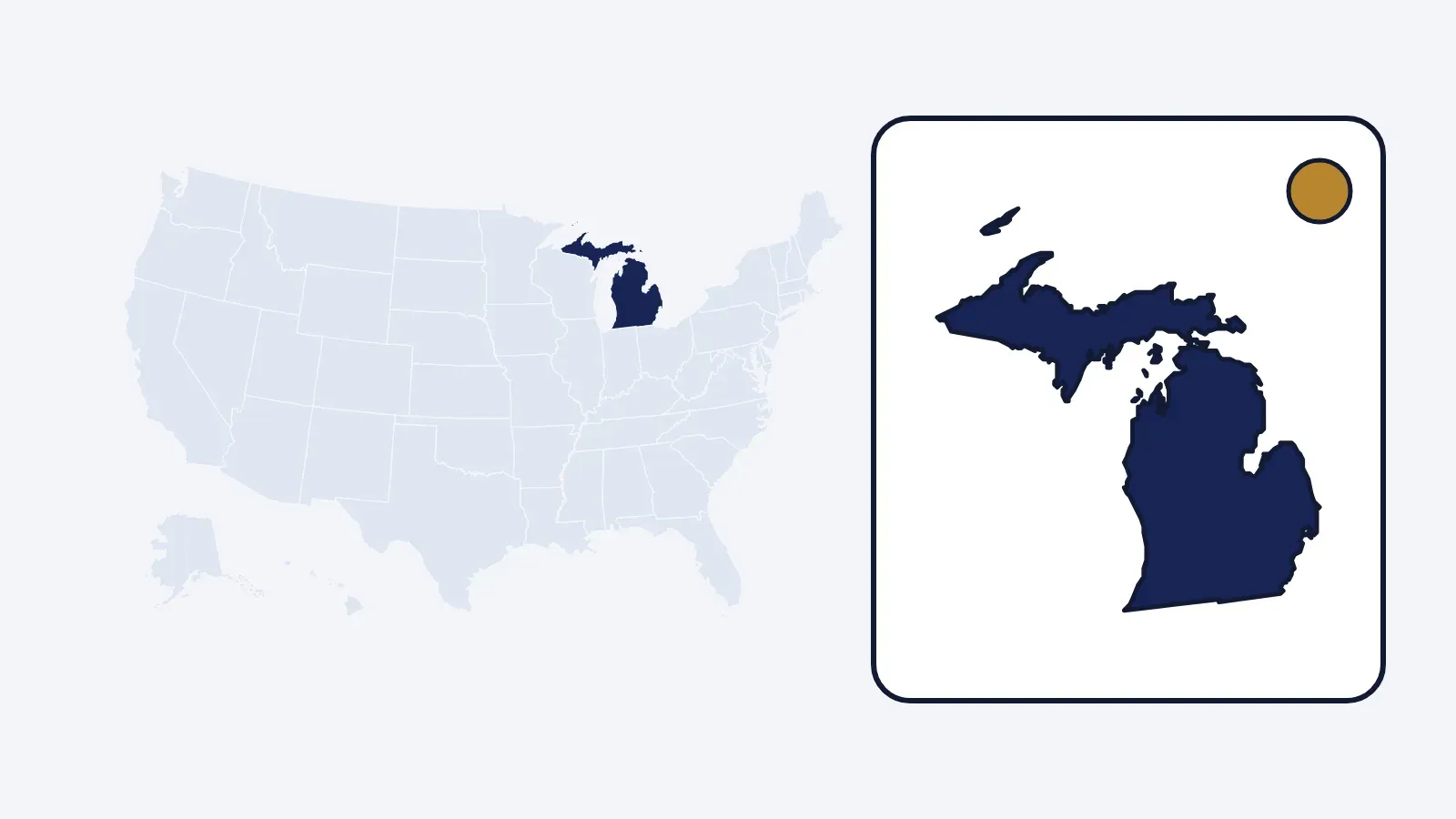
Michigan
Pay within 60 days of proof or 12% interest; salvage at 75% of value; no-fault PIP; 3 years to sue, 1 for PIP.