Shops and parts
Choosing a repair shop and parts
Who decides where your car is fixed, what happens when your shop's estimate is higher than the insurer's, and what the rules say about original and aftermarket parts.
By Valoroath Editorial Team Updated 7 min read
In plain terms
In many states an insurer may suggest repair shops but can't require you to use one, and some states bar it from steering you to or away from a shop at all. Under the NAIC model rule many states follow, an insurer that settles on its own estimate must give you a copy, and if your shop's estimate is higher it must pay the difference or name at least one shop that will do the work for its amount. Non-original crash parts must be identified and equal to the original in fit, quality and performance, and some states, such as Indiana, let you choose the type of parts in writing.
- Who picks the shop
- You do, in many states
- Insurer's estimate
- You can get a copy
- Higher shop estimate
- Pay it or name a shop
- Aftermarket parts
- Equal fit and quality
Your right to choose the shop
Insurers often keep a list of preferred or direct repair shops that have agreed to their pricing and procedures. Using one can be convenient, but it is a choice, not a condition of payment, in many states. The Texas Department of Insurance puts it plainly: some companies might give you a list of preferred repair shops, but they can't require you to use a shop on its list. Several states go further:
- Massachusetts: 212 CMR 2.04 bars an appraiser or insurer from referring you to or away from any repair shop, or requiring a specific shop, except under an approved direct payment plan.
- Rhode Island: if you take the car to a shop you choose, the insurer can't cut reasonable repair costs to what its own preferred shop would have charged.
- Minnesota: when you report a claim, the insurer must tell you that you have the legal right to choose a repair shop, and it can't make payment depend on using a particular shop or non-original parts, glass excepted.
- California: an insurer may not require a particular shop, may not suggest another once you have chosen one except as the Insurance Code allows, and may not make you travel more than 15 miles for an inspection or repair in a city of 100,000 or more, or 25 miles elsewhere.
The NAIC model rule sets the same idea in general terms: an insurer may not require you to travel an unreasonable distance to get an estimate or to have the car repaired at a specific shop.
The estimate and what happens when shops disagree
The insurer's adjuster or appraiser writes an estimate, and the insurer bases its payment on it. The NAIC model regulation sets what follows on a partial loss settled on that estimate:
- A copy for you. The insurer must give you a copy of the estimate the settlement is based on.
- A higher estimate from your shop. The insurer must either pay the difference or promptly name at least one shop that will do the repair for its estimate amount.
- Workmanlike repairs. If it names only one or two shops, it must make sure the repairs are done in a workmanlike manner.
- Its own shop. When the insurer chooses to repair and designates the shop, it must restore the car to its condition before the loss within a reasonable time, at no added cost to you beyond the policy terms.
| Insurer's choice under the model rule | Repair amount | Insurer pays | You pay |
|---|---|---|---|
| Pays your shop's estimate | $3,900 | $3,400 | $500 deductible |
| Names a shop that will do it for $3,200 | $3,200 | $2,700 | $500 deductible |
| You use your shop anyway after it names one | $3,900 | $2,700 | $1,200 ($500 + $700) |
Hidden damage is common once a shop takes the car apart. The shop sends a supplement, and the insurer reviews it; Texas tells consumers that you or the shop can talk to the adjuster about raising the estimate. Some states set a clock: Massachusetts gives the insurer 3 business days to inspect after the shop asks for a supplement. If you and the insurer still disagree on the amount, your policy's appraisal clause may settle it.
OEM, aftermarket and used parts
Parts come in three broad kinds: new parts from the car's maker (often called OEM), new parts from another maker (aftermarket or non-OEM), and used or recycled parts. The Texas Department of Insurance notes that an insurer is only required to pay for parts of like kind and quality to those that were damaged, not necessarily the maker's own.
- The NAIC standard. Non-original replacement crash parts, the sheet metal and plastic parts that make up the outside of the car, must carry permanent identification of their maker, and an insurer may not require them unless they are at least equal to the original in fit, quality and performance.
- Indiana's parts notice. Before an insurer directs a body shop to repair your car, it must give you a written notice that you may approve the type of parts: new from the maker, new from another maker, or used. It can't override your written choice. The rule applies for five years after the car's model year; see the Indiana page.
- Mississippi's labels. The state insurance department says non-original parts must carry the maker's logo, number or name, the estimate must identify each one, and you are not required to accept a non-original part.
If you want maker's parts where the estimate lists aftermarket ones, ask before the repair starts. Ask the insurer in writing whether your policy or your state's rule entitles you to them, and what you would owe if it doesn't. Get the answer before you authorize the work, not after the invoice arrives.
Before and after the repair
- Get the insurer's estimate in writing and give it to the shop you choose.
- Ask the shop whether it will work with your insurer, how it handles supplements, and what warranty it gives on the work.
- Read the parts list. Each line should say whether the part is new from the maker, aftermarket or used.
- Authorize repairs in writing only once the amount and parts are agreed, or you know what you will owe yourself.
- Inspect the car on pickup in daylight: panel gaps, paint match, warning lights. Keep the final invoice.
Keep that invoice: it is the starting point for a diminished value claim if another driver caused the crash. If the repair is small, the claim or pay calculator shows whether a claim is worth it after your deductible.
Questions people ask
Can my insurance company make me use its repair shop?
In many states, no. Insurers can recommend shops, but states such as Texas, Massachusetts and California bar them from requiring one, and some bar steering you to or away from a shop at all.
What if my body shop's estimate is higher than the insurer's?
Under the NAIC model rule many states follow, the insurer must either pay the difference or name at least one shop that will do the repair for its estimate. If it names only one or two, it must make sure the work is done properly.
Do I have to accept aftermarket parts?
It depends on the state and the policy. The NAIC model rule says an insurer can't require non-original crash parts unless they equal the original in fit, quality and performance. Indiana lets you choose the parts type in writing on newer cars, and Mississippi says you are not required to accept a non-original part.
Who guarantees the repair if the insurer picks the shop?
Under the NAIC model rule, when the insurer designates the shop, it must see that the car is restored to its condition before the loss within a reasonable time, at no added cost to you beyond the policy terms.
Sources on record
- NAIC — Unfair Property/Casualty Claims Settlement Practices Model Regulation (MDL-902), Section 8
- Texas Department of Insurance — Auto insurance guide (repair shops and parts)
- 212 CMR 2.04 — Appraisal of damaged motor vehicles (Massachusetts)
- R.I. Gen. Laws §27-9.1-4 — Unfair claims settlement practices (shop choice)
- Minnesota Statutes §72A.201 — Regulation of claims practices
- Cal. Code Regs. tit. 10, §2695.8 — Additional standards for auto insurance claims
- Indiana Code ch. 27-4-1.5 — Auto repair claims settlement (parts notice)
- Mississippi Insurance Department — Automobile physical damage claims
Facts on this page were checked against these sources on November 11, 2026. Shop-choice and parts rules differ by state; the NAIC model is a template that states adopt in different forms.
Ask a licensed agent to review your coverage
After a claim, the policy you had is the one you can still change. Describe your situation and Valoroath passes it to licensed insurance agents and insurers who can review your coverage and quote, if you want them to. Valoroath itself does not sell insurance or handle claims.
- 1 Five questions about your car, your record and your policy.
- 2 Who to ask for, and your consent to be contacted.
- 3 A licensed insurance agent or insurer reviews what you have. You change nothing unless you choose to.
Sending this request shares your answers and contact details with the licensed insurance agents and insurers who receive it, which some state privacy laws treat as a sale; see your privacy choices. An agent reviews your coverage; they can't take on your claim or a dispute with your insurer. You pay Valoroath nothing. The licensed insurance agents and insurers who contact you pay Valoroath for requests and set their own prices and terms; your claim stays with your insurer. How we make money.
Next in the file
-

Claim dispute
The appraisal clause
How appraisal settles a dispute over the amount: appraisers, the umpire, costs, and new state laws.
-
How claims work
Collision claims
What collision coverage pays for, how the deductible and your car's value set the check, and getting it back.
-
State claim rules
Indiana
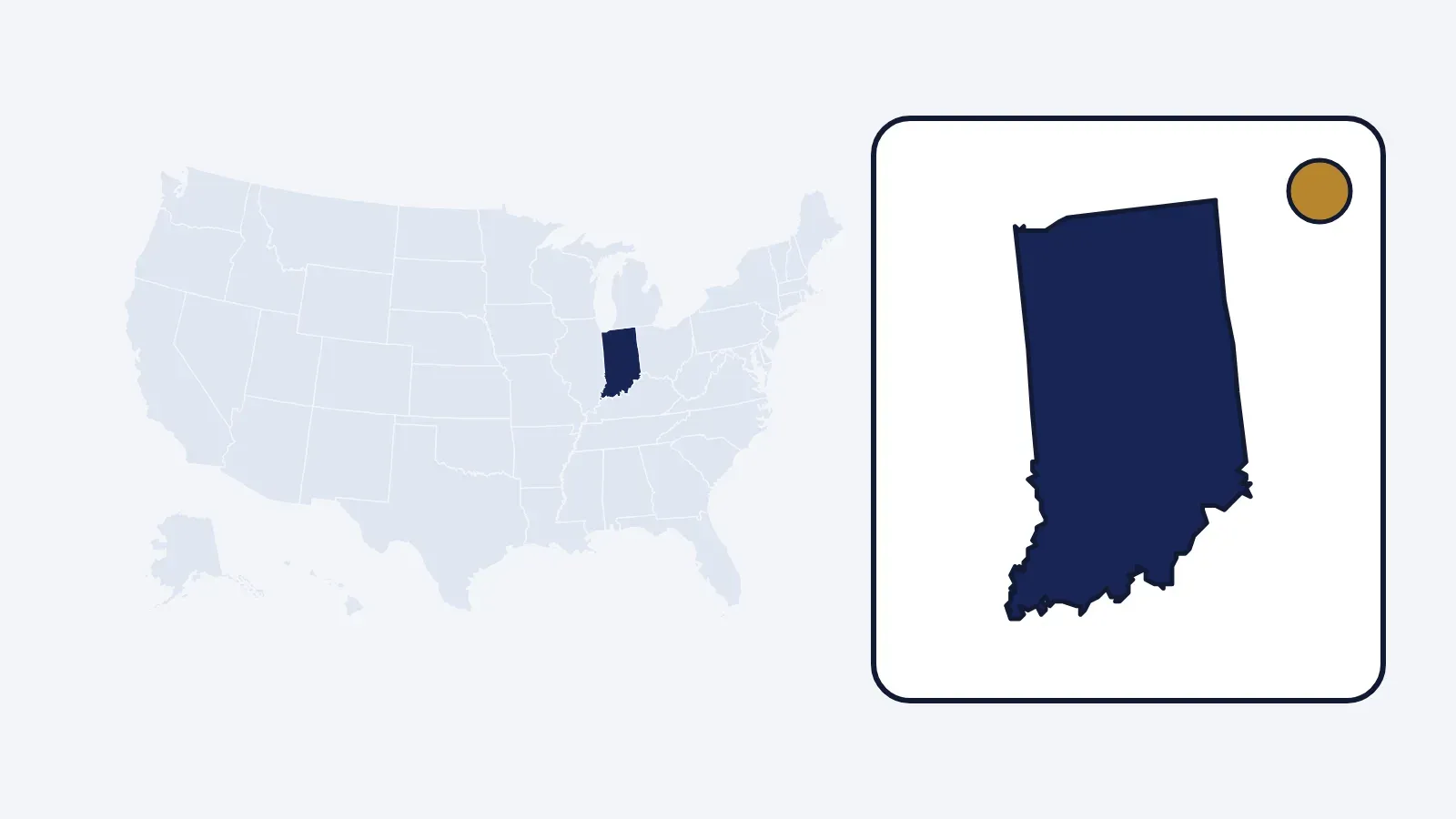
No fixed claim deadlines; you approve repair parts on newer cars; total loss by formula; 2 years to sue.