Animal crash
Hitting a deer or other animal
What to do at the roadside, which coverage pays for the damage, and the reporting rules that apply when the other party is a deer.
By Valoroath Editorial Team Updated 6 min read
In plain terms
Hitting a deer or another animal is usually paid under comprehensive coverage, also called other than collision, minus your comprehensive deductible. If you swerve to miss the animal and hit a tree, a guardrail or another car, that is usually a collision claim, with its own deductible. A liability-only policy pays for neither. Pull over safely, stay away from an injured animal, call the police if anyone is hurt, the road is blocked or your state requires a report, and photograph the damage and the place. According to IIHS, 210 people died in collisions with animals in 2024.
- Hitting an animal
- Usually comprehensive
- Swerving into a tree
- Usually collision
- Animal-crash deaths, 2024
- 210 (IIHS, FARS data)
- Most deaths, 2024
- July to September
At the roadside
- Pull over where it is safe and turn on your hazard lights. Stay off the road itself; other drivers may not see the animal or your car.
- Check for injuries and call 911 if anyone is hurt or the animal is blocking traffic.
- Keep away from the animal. An injured animal can be dangerous. Let the police or a wildlife officer deal with it.
- Photograph the damage and the scene: the front of the car, any hair or blood on it, the road, the nearest mile marker or cross street, and the animal if you can do it from a distance.
- Check the car before you drive on. Leaking fluid, a broken headlight, a bent hood or a warning light are reasons to call a tow truck.
These photos do more work than usual. On an animal claim there is no other driver, so the adjuster relies on your pictures and account to see that an animal, not a fixed object, caused the damage. Our guide to documenting the damage lists the shots that help most.
Comprehensive or collision
The Texas Department of Insurance lists hitting an animal among the losses comprehensive coverage pays for, alongside fire, hail, theft and flood, and the NAIC describes comprehensive as covering damage from events such as a run-in with a deer. Collision coverage, in the NAIC's words, pays when your car is damaged in a crash or rollover. The difference shows up when you swerve.
| What happened | Coverage that usually pays | Why it matters |
|---|---|---|
| You hit a deer | Comprehensive | Comprehensive deductible applies |
| You swerved and hit a tree or a guardrail | Collision | Collision deductible; it may be treated as a crash you caused |
| You swerved into another car | Collision for your car; your liability for theirs | The other driver can claim against you |
| You hit the deer, then slid into a ditch | Ask the insurer how it classifies the loss | One event or two can change the deductible |
| You carry liability coverage only | Nothing for your own car | You pay the repair yourself |
Comprehensive and collision each carry their own deductible, and the two are often set at different amounts, so the classification can change what you pay. Check both on your declarations page. How each type of claim is handled is in comprehensive claims and collision claims.
A deer strike can total an older car. A bent hood, a radiator, both headlights and the airbags can add up to more than the car is worth. In that case comprehensive pays the car's actual cash value minus the deductible, the same way as any other total loss; see total loss claims for what that payment should include.
How common animal crashes are
The Insurance Institute for Highway Safety analyzes federal crash data from the Fatality Analysis Reporting System (FARS). It counted 210 deaths in collisions with animals in 2024, up from 89 in 1975. Deaths rose from 1975 to the mid-2000s, and IIHS says the trend has leveled off over the past decade.
- Season: in 2024 the most animal-crash deaths, 67, came in July through September, followed by 65 in April through June, 53 in October through December and 25 in January through March.
- What the count covers: these are deaths, not all crashes. Most animal collisions damage a car without hurting anyone, and those don't appear in this count.
For a claim, the season doesn't change anything: the same coverage rules apply in any month. What the numbers do show is that animal crashes are a year-round risk, not only an autumn one.
Reports and keeping the animal
Your state's usual crash reporting rules apply unless it makes an exception for animals. North Dakota does: its duty to notify the police after a crash with damage of $4,000 or more doesn't apply when a crash with an undomesticated animal damages only your own vehicle. In Texas, by contrast, you must call the police at once if a car can't be driven safely, whatever caused the damage. Each state's rule is on its page in claim rules by state.
Even when no report is required, a record helps the claim. If an officer comes, ask for the report number. If no one comes, write down what happened the same day: the time, the road, the direction you were driving, the speed, what the animal did and what you did. Send it to your insurer with the photos when you report the claim. An account written on the day carries more weight than one pieced together weeks later, and it keeps the order of events clear if the adjuster asks whether you hit the animal or swerved first.
Wildlife agencies set their own rules for the animal. Illinois, for example, gives the driver in a vehicle-deer collision priority to possess the deer, and anyone who takes it must report the possession to the Department of Natural Resources within 24 hours through its website. Other states require a permit or don't allow it at all, so call the state wildlife agency before you load a deer into your car.
What the adjuster will ask for
- When and where: the date, time, road and nearest landmark.
- What happened: whether you hit the animal, swerved, or both, and in what order.
- Photos of the damage and the scene, and any police or wildlife report number.
- A repair estimate, and towing receipts if the car couldn't be driven.
Be exact about the order of events. Saying you swerved and hit a tree, when the deer struck the car first, can move a claim from comprehensive to collision.
Questions people ask
Is hitting a deer covered by comprehensive or collision?
Usually comprehensive. Texas regulators and the NAIC both describe hitting an animal as a comprehensive loss. If you swerve and hit something else, such as a tree, that is usually collision.
Do I need to call the police after hitting a deer?
Call if anyone is hurt, the animal or your car blocks the road, or your state's reporting threshold is met. Some states, such as North Dakota, exempt a crash with a wild animal that damages only your own car from the police notice rule.
Will hitting a deer raise my insurance rates?
It depends on your insurer and state rules. A comprehensive claim is not a collision you caused, but it is still a claim on your record. See premium increases after an accident.
Can I keep a deer I hit with my car?
It depends on the state. Illinois gives the driver priority to possess the deer and requires a report to the Department of Natural Resources within 24 hours. Other states require a permit or forbid it.
Sources on record
- Texas Department of Insurance — Auto insurance guide (comprehensive coverage and hitting an animal)
- NAIC — Auto insurance consumer guide (comprehensive and collision)
- IIHS — Fatality Facts 2024: Collisions with fixed objects and animals (FARS data)
- N.D.C.C. chapter 39-08 — Accident reports, sections 39-08-09 to 39-08-13
- Texas Transportation Code, Chapter 550 — Accidents and accident reports
- 17 Ill. Adm. Code 750.10 — Deer killed by a motor vehicle
Facts on this page were checked against these sources on November 11, 2026. How a loss is classified depends on your policy's definitions of collision and comprehensive.
Ask a licensed agent to review your coverage
After a claim, the policy you had is the one you can still change. Describe your situation and Valoroath passes it to licensed insurance agents and insurers who can review your coverage and quote, if you want them to. Valoroath itself does not sell insurance or handle claims.
- 1 Five questions about your car, your record and your policy.
- 2 Who to ask for, and your consent to be contacted.
- 3 A licensed insurance agent or insurer reviews what you have. You change nothing unless you choose to.
Sending this request shares your answers and contact details with the licensed insurance agents and insurers who receive it, which some state privacy laws treat as a sale; see your privacy choices. An agent reviews your coverage; they can't take on your claim or a dispute with your insurer. You pay Valoroath nothing. The licensed insurance agents and insurers who contact you pay Valoroath for requests and set their own prices and terms; your claim stays with your insurer. How we make money.
Next in the file
-
How claims work
Comprehensive claims
Hail, theft, glass, fire and animals: what comprehensive covers, what it leaves out, and how it pays.
-
How claims work
Collision claims
What collision coverage pays for, how the deductible and your car's value set the check, and getting it back.
-
State claim rules
North Dakota
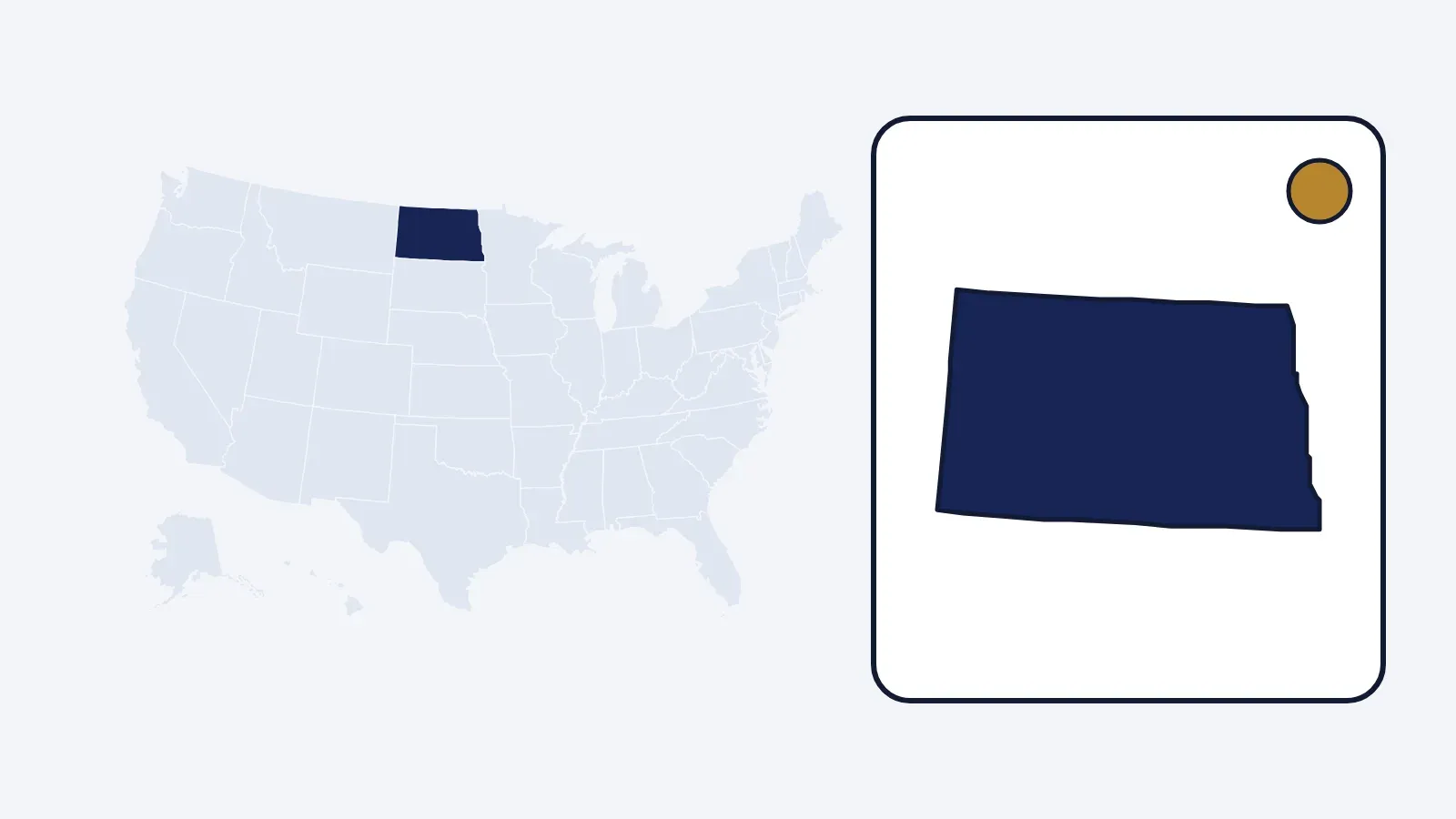
Total loss over 75% of value; no-fault benefits due in 30 days; police at $4,000 damage; 6 years to sue.