Surcharges
When your premium goes up after an accident
How accident surcharges work, the state rules that limit them when you weren't to blame, and how to ask your insurer to take a second look at fault.
By Valoroath Editorial Team Updated 7 min read
In plain terms
Insurers price your policy on the risk they expect, and an accident you caused usually raises that risk in their rating plan, so a surcharge often follows at renewal. Several states limit surcharges when you weren't at fault. California lets an insurer treat you as principally at fault only if your driving was at least 51% of the legal cause, and gives you 30 days to ask for reconsideration of that finding. Florida bars an extra premium for an accident unless the insurer's file shows in good faith that you were substantially at fault. Ask for the reason in writing, then challenge the fault decision with evidence.
- Usual trigger
- An at-fault accident
- California fault line
- 51% of the legal cause
- California review
- Ask within 30 days
- Florida rule
- Substantially at fault

Why an accident can raise your premium
A car insurance rate is built from a filed rating plan: your car, where you live, your coverage and your driving record. Most plans add a surcharge or remove a discount after an accident the insurer counts against you. The change usually shows up at renewal, not in the middle of the policy term, and the renewal notice may not explain it. Insurers learn about past claims from their own files and from claims databases; our page on the CLUE report shows how to see what they see.
An insurer can only charge what its filed rates allow. Florida's law on unfair insurance practices, for one, bars charging more or less than the filed and approved rate. If a renewal jumps and you don't know why, ask the insurer in writing which accident or violation it used and how it affected the price.
State limits on not-at-fault surcharges
There is no single national rule. Several states restrict surcharges when you weren't to blame. Two examples with the rule in their own law:
California
Under 10 CCR §2632.13, an insurer may find a driver principally at fault only if their actions were at least 51% of the legal cause and the crash caused injury or death, or property damage over $1,000. That finding decides eligibility for the Good Driver Discount. See California claim rules.
Florida
Under Fla. Stat. §626.9541(1)(o)3., an insurer may not add premium, or refuse to renew, solely because you were in an accident, unless its file shows in good faith that you were substantially at fault. See Florida claim rules.
Both states also list situations where you are presumed not to be at fault. They overlap a great deal:
- Your car was lawfully parked when it was hit.
- You were hit from behind and were not convicted of a moving violation in connection with the crash.
- A hit-and-run driver hit you and you reported it. California asks for a report within a reasonable time; Florida asks for one within 24 hours after you discovered the damage.
- California also lists crashes with animals, birds or falling objects, and single-car crashes caused by a hazard a careful driver couldn't have seen or avoided, such as black ice.
- Florida also lists a citation against you that was dismissed and a court finding that you were not liable, among other cases.
Other states have their own rules, some in statute and some in insurance department regulations. Your state insurance department can tell you whether a not-at-fault surcharge is allowed where you live.
Challenging the fault decision
The fault decision your insurer makes for rating can differ from the one made on the damage claim, and it can be wrong. California requires the insurer to send you written notice of a principally at-fault finding, with its basis and your right to reconsideration. You can ask within 30 days of the notice; the insurer must decide in writing within 30 days, and someone other than the person who made the first decision has to review it. In Florida, the insurer must tell you of your right to a refund or renewal with the premium or nonrenewal notice, and on request must give you its complete proof of fault.
- Ask for the reason in writing: which accident, what fault share, and the rule or rating plan section the insurer used.
- Gather your evidence: the police report, any ticket issued to the other driver, a dismissed citation, photos of where the cars ended up, and the other insurer's letter accepting liability.
- Write a short dispute letter with your policy and claim numbers. Cite your state's rule by its number and ask for a written decision by a set date.
- Escalate if the answer doesn't hold up. Ask for a supervisor, then complain to your state insurance department; see filing a complaint.
If the other driver's insurer paid for your car, ask it for a letter saying so. A written acceptance of liability by the other side is strong evidence in a rating dispute. If your insurer changes its finding, ask it in writing to re-rate the policy from the renewal date and to correct how the accident is shown in the claims history it reports, then check the report later to confirm.
Should you claim at all?
For a small loss you caused, paying the repair yourself can cost less than a surcharge over several renewals. The math depends on your deductible, the repair cost and how your insurer rates the accident. The claim or pay calculator lets you compare the two with your own numbers. Keep in mind that most policies still require you to report an accident promptly, even if you don't claim.
If the increase stands, the premium is a separate question from the claim. Our sister site Guardbrook explains general ways to lower a car insurance premium.
Questions people ask
Can my insurance go up if the accident wasn't my fault?
It depends on your state and your insurer's rating plan. Some states, such as California and Florida, limit surcharges unless you were at fault by the standard in their law. Ask the insurer in writing why the premium rose.
How do I dispute an at-fault determination with my insurer?
Ask for the decision and its basis in writing, send evidence such as the police report or the other insurer's acceptance of liability, and cite your state's rule. In California you can ask for reconsideration within 30 days of the notice.
What does principally at fault mean in California?
Under 10 CCR §2632.13, your actions were at least 51% of the legal cause of a crash that caused injury or death, or property damage over $1,000.
Should I pay for a small accident myself to avoid a surcharge?
Sometimes. Compare the repair cost with your deductible and the likely surcharge using the claim or pay calculator, and report the accident to your insurer if the policy requires it.
Sources on record
- California Code of Regulations, tit. 10, §2632.13 — Principally at-fault accidents (Justia Regulations)
- Florida Statutes (2026) §626.9541 — Unfair insurance trade practices, paragraph (1)(o)
- Consumer Financial Protection Bureau — Do auto and homeowners insurance companies share my claims information?
Facts on this page were checked against these sources on November 11, 2026. The California regulation text was read on Justia's copy, current through Register 2024, No. 38; other states set their own surcharge rules.
Ask a licensed agent to review your coverage
After a claim, the policy you had is the one you can still change. Describe your situation and Valoroath passes it to licensed insurance agents and insurers who can review your coverage and quote, if you want them to. Valoroath itself does not sell insurance or handle claims.
- 1 Five questions about your car, your record and your policy.
- 2 Who to ask for, and your consent to be contacted.
- 3 A licensed insurance agent or insurer reviews what you have. You change nothing unless you choose to.
Sending this request shares your answers and contact details with the licensed insurance agents and insurers who receive it, which some state privacy laws treat as a sale; see your privacy choices. An agent reviews your coverage; they can't take on your claim or a dispute with your insurer. You pay Valoroath nothing. The licensed insurance agents and insurers who contact you pay Valoroath for requests and set their own prices and terms; your claim stays with your insurer. How we make money.
Next in the file
-
Claim dispute
Your CLUE report and claims history
What insurers see in your claims history, how to get your free LexisNexis report, and how to dispute errors.
-

Claim dispute
Complaining to your state
When a complaint helps, how to find your insurance department, what to include, and what it can and can't do.
-
State claim rules
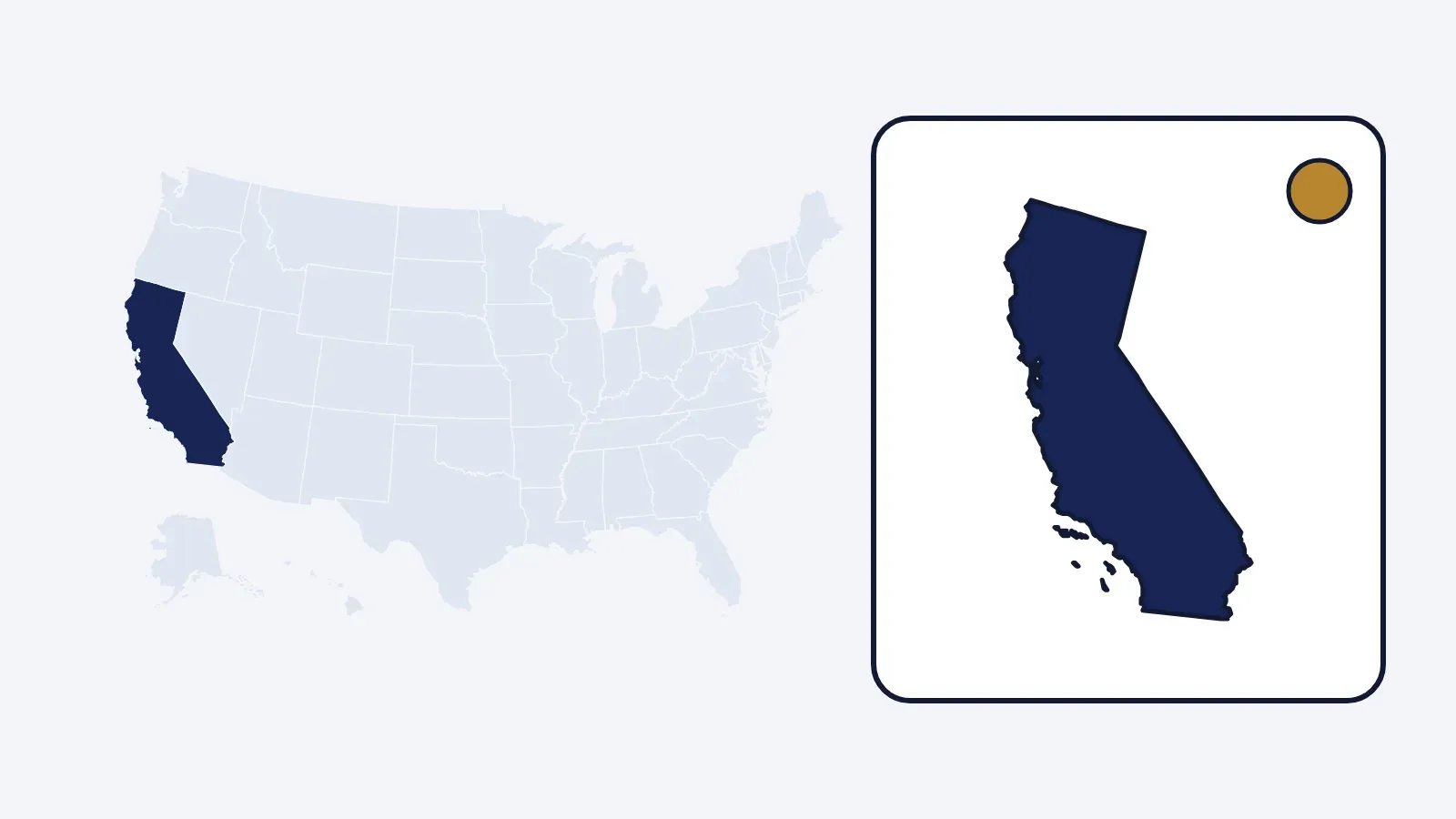
California
15 days to acknowledge, 40 days to decide, 30 to pay; total loss by formula; SR-1 in 10 days; 2-3 years to sue.