Injuries
Getting medical care after a crash
Who pays the first bills, the state deadlines that can cut off benefits, and the records an adjuster will ask for later.
By Valoroath Editorial Team Updated 7 min read
In plain terms
If anyone may be hurt, call 911. Otherwise, get checked soon after the crash even if you feel fine, tell the provider it was a car crash, and follow the care you are given. Depending on your state and policy, the first bills are paid by personal injury protection (PIP) or medical payments (MedPay) coverage, whoever caused the crash, then by health insurance, and later by the at-fault driver's liability insurer. Some deadlines are short: Florida PIP pays medical benefits only if you get initial care within 14 days. Keep every bill, visit note and receipt, because the claim is paid from records, not memory.
- Emergency
- Call 911
- Florida PIP care
- Start within 14 days
- MedPay window
- 3 years (standard form)
- Records request
- 30 days (HIPAA)

The first hours and days
- Call 911 if anyone may be hurt. Let paramedics check everyone at the scene. You can still decide about going to the hospital after they look.
- If you don't go by ambulance, get checked soon at an urgent care clinic, an emergency room or your own doctor. A visit the same day or the next creates a record that ties what you feel to the crash.
- Tell the provider it was a car crash. It goes into the record, and it tells the billing office that auto coverage may pay.
- Follow the care plan and keep the appointments. If something starts to hurt in the days after, get it checked then and mention the crash again.
This is not medical advice; your providers decide what care you need. The insurance point is narrower: an adjuster pays for injuries that records connect to the crash. A first visit weeks later, or a long gap in care, gives the insurer room to argue that something else caused the problem.
Who pays the medical bills
Several coverages can pay, in roughly this order. Which ones you have depends on your state's law and the options on your policy.
| Coverage | Pays for | Fault matters? |
|---|---|---|
| PIP (personal injury protection) | Your and your passengers' medical bills, often lost wages too | No |
| MedPay (medical payments) | Reasonable medical and funeral expenses for you, family and passengers | No |
| Health insurance | Covered care under your health plan's rules | No |
| The other driver's liability | Your medical bills, lost income and pain and suffering, at settlement | Yes |
| Your uninsured motorist coverage | What an at-fault driver with no or too little insurance would owe | Yes |
- PIP is required in no-fault states and some others. Florida's PIP pays up to $10,000 per person; Pennsylvania requires at least $5,000 of first-party medical benefits; Oregon's PIP pays medical expenses up to $15,000 per person. Texas insurers must offer at least $2,500 of PIP, which applies unless you reject it in writing.
- MedPay pays whoever caused the crash. In the standard ISO policy form it pays reasonable expenses for necessary medical and funeral services for services received within 3 years from the date of the accident.
- Health insurance may pay first or second depending on your state and plan. If it pays and you later recover from the other driver, your plan's terms may give it a right to be repaid from that recovery, so read the plan and tell the adjuster who paid what.
How these coverages fit together, and what to send each one, is in PIP and MedPay claims. Your state's no-fault rules, if any, are on its page in claim rules by state.
Deadlines that can cost you benefits
Medical claims have their own clocks, and some are much shorter than the deadline to sue. Three examples from our state pages:
Florida
PIP medical benefits apply only if you receive initial services and care within 14 days of the crash, and they are capped at $2,500 if a treating provider does not find an emergency medical condition. See Florida claim rules.
Michigan
A suit for PIP benefits must be filed within 1 year of the crash unless you gave written notice or benefits were paid, and you generally can't recover losses from more than 1 year before you sue. See Michigan claim rules.
Your policy
The standard policy asks for prompt notice of the accident, including the names of anyone injured, and a proof of loss when the insurer requires it. Report injuries when you report the crash.
Lawsuits over injuries have a separate deadline. In most states it is two or three years, but it runs from 1 year in Tennessee to 6 years in Maine, Minnesota and North Dakota. Talking with an adjuster does not pause it.
Keep your own medical file
The insurer will ask for records, but your own file lets you check what it receives and catch bills that go to the wrong place. Start it after the first visit:
- A visit log: date, provider, what was done and what comes next.
- Every bill and statement, including the explanation of benefits from your health plan and any notice from PIP or MedPay.
- Prescriptions, devices and receipts for anything a provider told you to buy.
- Time off work: a note from your employer with the dates and the pay you lost.
- A short weekly note in your own words of what you can't do yet, such as lifting a child or sleeping through the night.
Under the federal HIPAA privacy rule you have a right to copies of your health records. A provider must act on your request within 30 days, with one extension of up to 30 more, and may charge only a reasonable, cost-based fee for copying, supplies and postage.
What the insurer can ask of you
In the standard personal auto policy, a person seeking coverage agrees to be examined by a doctor the insurer chooses, at the insurer's expense, and to authorize the insurer to get medical records and other relevant information. Your policy may word this differently.
Before a recorded statement about your injuries, read giving a recorded statement, and say plainly what you don't yet know about your recovery.
Questions people ask
Should I see a doctor after a car accident if I feel fine?
Getting checked soon after a crash is a sensible step even if you feel fine, and it creates a record that links any injury to the crash. If something starts to hurt later, get it checked then and mention the crash.
Who pays my medical bills after a car accident?
Usually your own PIP or MedPay first, whoever caused the crash, then your health insurance. The at-fault driver's liability insurer pays later, as part of a settlement, up to its limits.
How long do I have to see a doctor after a car accident?
It depends on your state and policy. In Florida, PIP medical benefits apply only if you receive initial care within 14 days. Elsewhere, delay doesn't end your rights, but it gives the insurer room to dispute the cause.
Do I have to see the insurance company's doctor?
If you are claiming under your own policy, the standard form requires you to submit to an exam by a doctor the insurer chooses, at its expense. Check your policy's conditions for the exact wording.
Sources on record
- ISO Personal Auto Policy PP 00 01 01 05, Parts B and E — Medical payments; duties after an accident (filed with the Virginia Bureau of Insurance)
- Florida Statutes §627.736 — Required personal injury protection benefits
- Michigan Compiled Laws 500.3145 — Time limit for PIP suits
- 75 Pa.C.S. §1711 — Required first party medical benefits (2025 edition)
- Oregon Revised Statutes, Chapter 742 — Personal injury protection (ORS 742.520 to 742.524)
- Texas Department of Insurance — Auto insurance guide
- Tenn. Code §28-3-104 — One-year limitation (2025 edition)
- 45 CFR §164.524 — Access of individuals to protected health information
Facts on this page were checked against these sources on November 11, 2026. This page explains insurance rules, not medical care; follow your providers' advice.
Ask a licensed agent to review your coverage
After a claim, the policy you had is the one you can still change. Describe your situation and Valoroath passes it to licensed insurance agents and insurers who can review your coverage and quote, if you want them to. Valoroath itself does not sell insurance or handle claims.
- 1 Five questions about your car, your record and your policy.
- 2 Who to ask for, and your consent to be contacted.
- 3 A licensed insurance agent or insurer reviews what you have. You change nothing unless you choose to.
Sending this request shares your answers and contact details with the licensed insurance agents and insurers who receive it, which some state privacy laws treat as a sale; see your privacy choices. An agent reviews your coverage; they can't take on your claim or a dispute with your insurer. You pay Valoroath nothing. The licensed insurance agents and insurers who contact you pay Valoroath for requests and set their own prices and terms; your claim stays with your insurer. How we make money.
Next in the file
-

How claims work
PIP and MedPay claims
How your own policy pays medical bills after a crash, how no-fault thresholds work, and the deadlines.
-

How claims work
Giving a recorded statement
When your policy requires a recorded statement, when it's your choice, and how to keep it to the facts.
-
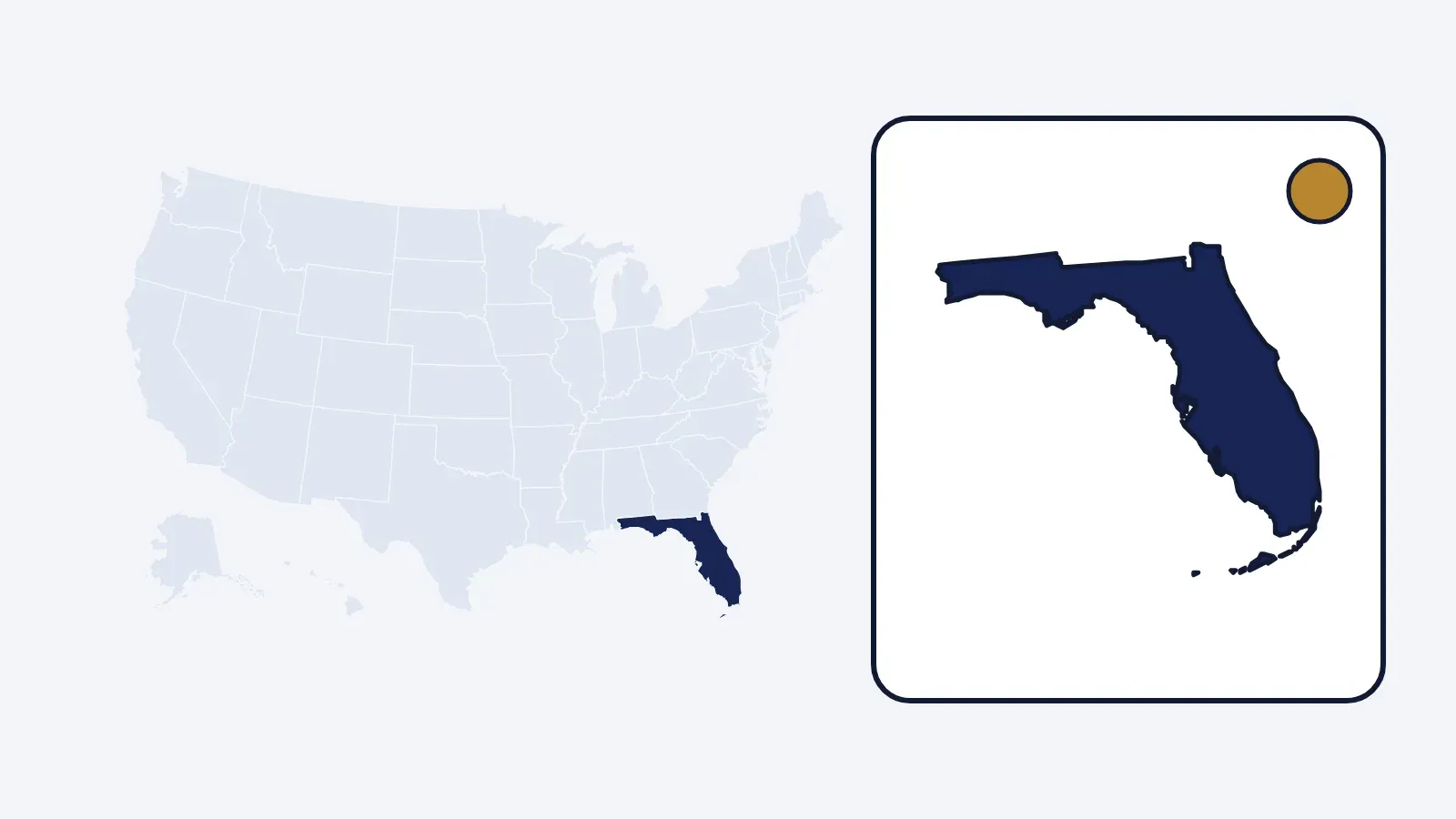
State claim rules
Florida
No-fault PIP up to $10,000, paid in 30 days; 14 days to acknowledge; 80% test only for uninsured cars; 2 years to sue.