UM and UIM
Uninsured motorist claims: when the other driver can't pay
What UM and UIM coverage pay, how limits can stack, why your insurer must agree before you settle with the driver at fault, and how disputes are decided.
By Valoroath Editorial Team Updated 7 min read
In plain terms
Uninsured motorist (UM) coverage pays when a driver with no insurance, or a hit-and-run driver, causes your injuries. Underinsured motorist (UIM) coverage pays when the at-fault driver's liability limits are too low to cover your loss. Bodily injury coverage (UMBI) pays for injuries; property damage coverage (UMPD), where you bought it, pays for your car, usually after a deductible. You claim from your own insurer, but it stands in the other driver's shoes and can dispute fault and the amount. Some states add up limits across cars (stacking), and most UIM claims require you to tell your insurer, and often get its consent, before you settle with the driver at fault.
- You claim from
- Your own insurer
- UM pays when
- No insurance or hit-run
- UIM pays when
- Their limits run out
- Before you settle
- Get your insurer's consent
What UM and UIM coverage pay
In a standard personal auto policy, uninsured motorists coverage is Part C. The NAIC describes it as coverage that reimburses you if an uninsured or a hit-and-run driver hits you, and underinsured coverage as paying when an at-fault driver doesn't have enough insurance to pay for your loss fully. Some states require these coverages; others make insurers offer them. Texas, for example, requires UM/UIM to be offered and lets you reject it only in writing. Your declarations page lists each coverage you carry and its limits, usually per person and per accident; whether your state requires UM coverage at all is covered by our sister site Brookguard. Find those limits before you talk to an adjuster, because they cap what this claim can pay.
UM bodily injury (UMBI)
Pays what the uninsured driver would owe for injuries to you, your household and your passengers: medical bills, lost income and, where the law allows, pain and suffering, up to your UM limit.
UM property damage (UMPD)
Pays for damage to your car when an uninsured driver causes it, if you bought it. The NAIC notes you would pay a deductible; Texas also charges a deductible on UM/UIM claims.
Underinsured (UIM)
Pays the part of your loss above the at-fault driver's liability limit, up to your UIM limit. How the two limits interact depends on your state and your policy.
A hit-and-run crash is usually a UM claim, but policies set conditions such as reporting the crash to the police promptly. Our page on hit-and-run accidents covers what to do at the scene, and a crash with an uninsured driver covers the first days.
Stacking limits across cars
Stacking means adding together the UM or UIM limits of more than one car, or more than one policy, so more money is available for one injury. Whether you can stack depends on state law and the policy wording. Some states allow it by default, some let insurers limit it, and the details change with the number of cars and who owns them.
Pennsylvania is a clear example. Under 75 Pa.C.S. §1738, when more than one car is insured, the limit for an injured insured is the sum of the limits for each car. A named insured may waive stacking by signing the statutory rejection form, and the premium must then be reduced to reflect the different cost. Your declarations page shows whether you have stacked or unstacked limits.
| Choice | UIM limit for one injury | How it is figured |
|---|---|---|
| Stacked (the default) | $100,000 | $50,000 + $50,000 |
| Stacking waived in writing | $50,000 | Limit of the car involved |
Settling with the driver at fault
A UIM claim usually starts with the at-fault driver's liability insurer offering its limit. Don't accept and sign a release yet. Your UIM insurer has a right to recover what it pays from the at-fault driver, and a release can wipe that right out. That is why UIM coverage commonly requires you to notify your insurer of the offer and get its consent first; settling without it can put your UIM benefits at risk.
Some states write the procedure into law. Kentucky's KRS 304.39-320 requires written notice of the proposed settlement, by certified or registered mail, to every UIM insurer. The UIM insurer then has 30 days to consent or to keep its recovery rights by paying you the amount of the liability insurer's written offer itself. The 2024 amendments apply to policies issued or renewed on or after April 2, 2024.
- Get the offer in writing from the liability insurer, with its policy limit confirmed.
- Send it to your own insurer in a way that proves delivery, and ask in writing for consent to settle or for its decision within your state's deadline.
- Sign the release only after you have that consent, or the time your state allows has passed without an answer.
When you and your insurer disagree
On a UM or UIM claim, your own insurer plays the role of the other driver's insurer. It can argue that the other driver wasn't at fault, that your injuries are smaller than you say, or that you share the blame. The NAIC's model claims rules still apply: it has to investigate, answer within set times and explain a denial in writing.
- Arbitration clauses. Your policy's UM section may say that disputes over fault or the amount go to arbitration. Read whether either side can demand it, whether the result binds both sides, how arbitrators are chosen and who pays them.
- State payment rules. Some states set their own clock for these benefits. In Idaho, an insurer that doesn't pay the amount justly due within 60 days after proof of loss on a UM or UIM claim can owe your attorney's fees in a suit to recover it.
- Your own deadlines. Policies and state laws set time limits for UM claims and suits that may differ from the deadline to sue the driver. Check your policy and your state page.
If your insurer denies the claim or offers less than the evidence supports, our page on a denied car insurance claim lays out the next steps in order of cost.
What to send with a UM claim
- Proof the other driver had no insurance or too little: a denial letter from their insurer, a police report, or a declarations page showing the limit.
- The police report number, especially after a hit-and-run.
- Medical records and bills, and proof of lost income.
- Photos and repair estimates for a UMPD claim.
After your insurer pays, it may pursue the uninsured driver for its money, as it would on any claim; see subrogation and your deductible.
Questions people ask
What is the difference between uninsured and underinsured motorist coverage?
Uninsured motorist coverage pays when the driver who caused the crash has no insurance or can't be found after a hit-and-run. Underinsured coverage pays the part of your loss above the at-fault driver's liability limit, up to your own UIM limit.
Does uninsured motorist coverage pay for my car?
Only if you have uninsured motorist property damage coverage (UMPD) where your state offers it, usually after a deductible. Otherwise collision coverage pays for your car, minus its deductible.
Can I settle with the other driver's insurance before my UIM claim?
Tell your own insurer first, in writing, and wait for its consent or for the period your state allows. A release signed too early can cut off the insurer's right to recover and put your UIM benefits at risk. Kentucky, for example, gives the UIM insurer 30 days after written notice.
What is stacking in uninsured motorist coverage?
Adding the UM or UIM limits of several cars or policies together. Pennsylvania stacks by default, adding the limit for each car, unless a named insured waives it in writing for a lower premium. Other states limit or bar stacking.
Sources on record
- NAIC — What does auto insurance cover? (uninsured and underinsured motorist coverage)
- NAIC — Auto insurance consumer guide (uninsured motorist property damage)
- Texas Department of Insurance — Auto insurance guide (deductibles on UM/UIM claims)
- 75 Pa.C.S. §1738 — Stacking of uninsured and underinsured benefits (2025 edition)
- Kentucky Revised Statutes 304.39-320 — Underinsured motorist coverage; effect of settlement
- Idaho Code §41-1839 — Attorney's fees when an insurer fails to pay after proof of loss
- NAIC — Unfair Property/Casualty Claims Settlement Practices Model Regulation (MDL-902)
Facts on this page were checked against these sources on November 11, 2026. Stacking, consent and arbitration rules differ by state and by policy; read the uninsured motorists part of your own policy.
Ask a licensed agent to review your coverage
After a claim, the policy you had is the one you can still change. Describe your situation and Valoroath passes it to licensed insurance agents and insurers who can review your coverage and quote, if you want them to. Valoroath itself does not sell insurance or handle claims.
- 1 Five questions about your car, your record and your policy.
- 2 Who to ask for, and your consent to be contacted.
- 3 A licensed insurance agent or insurer reviews what you have. You change nothing unless you choose to.
Sending this request shares your answers and contact details with the licensed insurance agents and insurers who receive it, which some state privacy laws treat as a sale; see your privacy choices. An agent reviews your coverage; they can't take on your claim or a dispute with your insurer. You pay Valoroath nothing. The licensed insurance agents and insurers who contact you pay Valoroath for requests and set their own prices and terms; your claim stays with your insurer. How we make money.
Next in the file
-

After a crash
Accident with an uninsured driver
What to collect, how UM, UMPD and collision pay, state reports, and Louisiana's no pay, no play rule.
-
After a crash
Hit-and-run accidents
What to record, why the police report matters, and when UM or collision coverage pays after a hit-and-run.
-
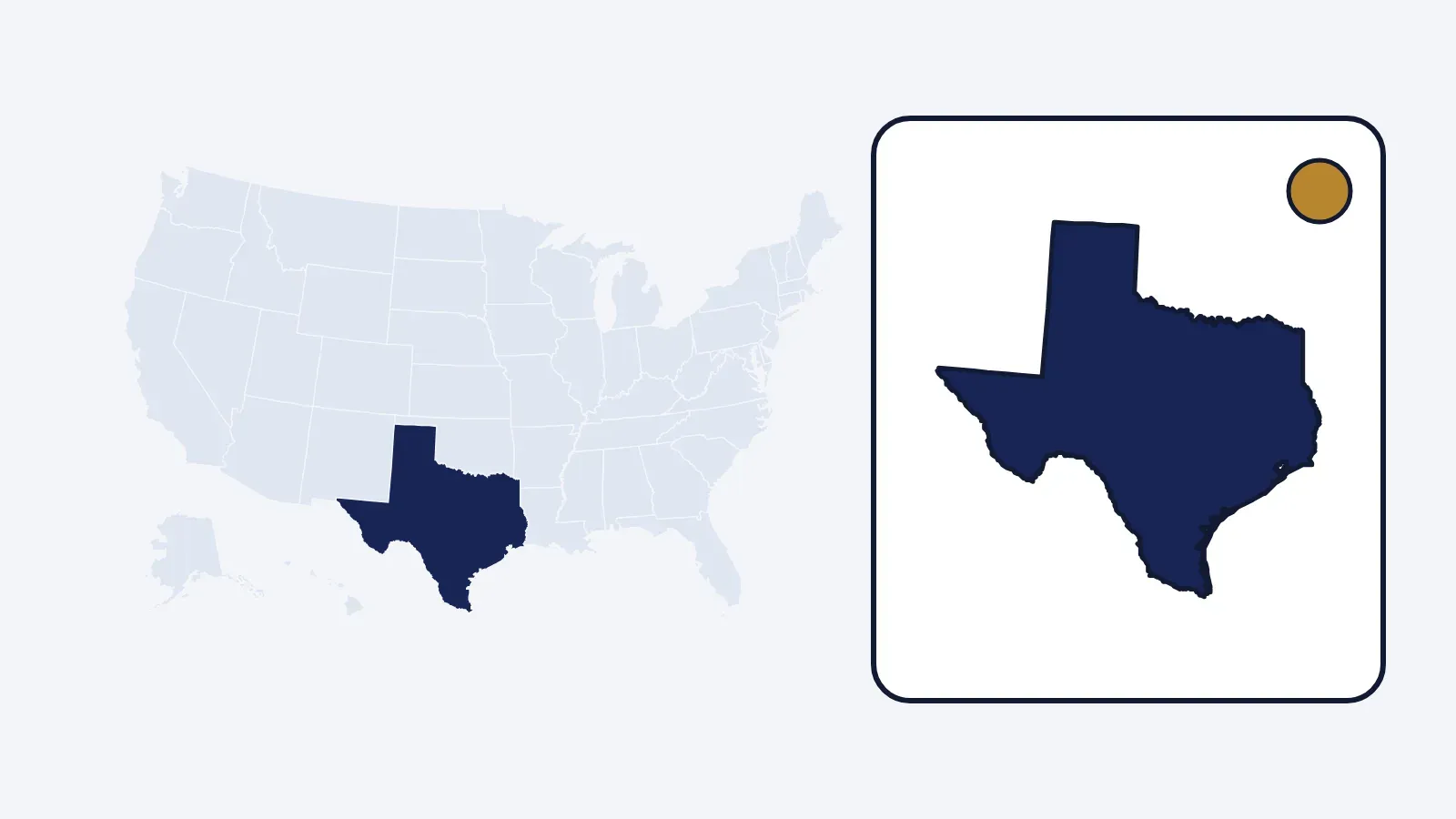
State claim rules
Texas
15 days to acknowledge, 15 business days to decide, 5 to pay; total loss over 100% of value; 2 years to sue.