Court
Small claims court after a car accident
How to recover your deductible or unpaid damage from the driver who caused the crash, what the court can and can't do, and the work that starts after you win.
By Valoroath Editorial Team Updated 7 min read
In plain terms
Small claims court is a low-cost way to ask a judge to make the at-fault driver pay for damage insurance didn't cover, such as your deductible, a repair the other insurer refused, or a rental bill. The most you can ask for depends on the state: $12,500 for an individual in California and $20,000 in a Texas justice court, for example. You must file before your state's deadline to sue for property damage runs out. Winning gives you a judgment, not a check: the court doesn't collect the money for you.
- You sue
- The at-fault driver
- California limit
- $12,500 for individuals
- Texas limit
- $20,000
- Deadline to file
- Your state's limit to sue

When small claims is the right step
Most damage after a crash is paid by an insurer, either yours or the other driver's. Small claims court is for the part nobody pays. It sits at the end of the usual order of options, after asking in writing, asking for a supervisor and complaining to the state insurance department, because it takes a day in court and some paperwork. It costs far less than a regular lawsuit, and you normally present the case yourself.
- Your deductible, when you claimed under your own collision coverage and your insurer isn't pursuing the other driver for it.
- Repair costs the other driver's insurer denied or cut, when you think its driver caused the crash.
- Damage over the other driver's limit, if their property damage coverage ran out before your car was paid for.
- An uninsured driver, when you have no coverage of your own that pays.
- Related costs with receipts: towing, a rental car, a damaged phone or child seat.
Before you file, check whether your insurer already plans to recover your deductible through subrogation. If it does and you also sue, you may be chasing the same dollars twice, and a judgment for you can complicate its recovery. Ask your adjuster in writing.
How much you can ask for
Every state caps the amount a small claims court can award, and the cap differs widely. Three examples from official court and state sources:
| State | Limit | Detail |
|---|---|---|
| California | $12,500 for an individual | $6,250 for a business; lawyers can advise you but can't appear with you |
| Texas (justice court) | $20,000 | Not counting statutory interest and court costs; attorney fees count toward it |
| Michigan (mini-tort) | $3,000 for crashes after July 1, 2020 | Vehicle damage your insurance doesn't cover; filed in small claims whenever legally possible |
If your loss is above the limit, ask the court clerk about your options before you file; a larger claim usually belongs in a higher court, where the process is more formal. Michigan's case is special: as a no-fault state it limits what you can recover from the other driver for car damage, and the mini-tort is the main route; see Michigan claim rules. Your county or city court website lists its own limit, fees and forms.
Who to sue and what to bring
- Name the right people. Sue the driver who caused the crash, and the car's owner if that is someone else. The clerk can tell you how your court wants names and addresses written.
- Send a demand letter first. State the amount, how you got it and a date to pay. A clear letter often settles the matter, and it shows the judge you tried.
- Gather proof of fault: the police report, photos of the scene and the cars, witness names and any statement the other driver's insurer made about liability.
- Gather proof of the amount: the repair estimate or invoice, your declarations page showing the deductible, rental and towing receipts. Our guide to documenting the damage lists what holds up.
- File and serve. Pay the filing fee, then have the papers delivered to the driver in a way your court accepts. A case can't go ahead until the other side is properly served.
The other driver's liability insurer usually has a duty under the policy to defend its driver against a suit for damages it covers. Once the driver forwards your papers, the insurer may offer to settle before the hearing. Get any settlement in writing, and check that a release covers only what you mean to settle.
The deadline is your state's limit to sue
A small claims case has the same time limit as any other lawsuit over property damage: your state's statute of limitations. Talking with an insurer doesn't pause it. The limit for damage to a car varies:
- Texas: generally 2 years for injury and for property damage; see Texas claim rules.
- California: 2 years for injury and 3 years for property damage.
- Virginia: 2 years for personal injury and 5 years for injury to property.
Every state's figure is on its page in claim rules by state. File well before the last week: courts can reject papers for small errors, and a fix after the deadline may be too late.
Winning is half the job
A judgment is a court order that the other side owes you money. The court does not collect it for you. In California, for example, you must wait at least 30 days after the Notice of Entry of Judgment was handed or mailed to you before you use collection tools, because the other side has that time to appeal or to ask the court to cancel the judgment. If you started the case and lost, California doesn't let you appeal.
- Ask for payment first. California's court guide suggests trying for voluntary payment, even at a discount for a lump sum, and putting any payment plan in writing.
- Find out what the debtor owns. A California debtor who doesn't pay must send a statement of assets, and you can ask for a debtor's exam, a court date where they answer questions about income and property.
- Use the state's collection tools, such as a wage garnishment or a bank levy where your state allows them. The court clerk or self-help center explains the forms.
- Record that you were paid. Once the money arrives, file the court's satisfaction form so the judgment is closed.
Questions people ask
Can I sue the other driver's insurance company in small claims court?
Usually you sue the at-fault driver, and the owner if different. Their insurer typically defends the driver and may settle. Ask your court clerk whether your state allows anything else.
How much can I sue for in small claims court after a car accident?
It depends on the state. California allows up to $12,500 for an individual, and a Texas justice court up to $20,000. Check your local court's website for its current limit.
Can I use small claims court to get my deductible back?
Yes, if the other driver caused the crash and your insurer isn't already recovering the deductible through subrogation. Ask your insurer in writing before you file.
What happens if the other driver doesn't pay the judgment?
You use your state's collection tools, such as a debtor's exam, a wage garnishment or a bank levy. Some states, such as Missouri, also tie an unpaid crash judgment to the driver's license.
Sources on record
- California Courts Self-Help — Small claims in California
- California Courts Self-Help — Collect if you won
- California Courts Self-Help — Statute of limitations
- Texas State Law Library — Maximum amount in a small claims case (Tex. R. Civ. P. 500.3(a))
- Michigan Compiled Laws 500.3135 — Tort threshold and mini-tort
- Texas Civil Practice and Remedies Code, Chapter 16 — Limitations
- Va. Code § 8.01-243 — Personal action for injury to person or property
- Missouri Department of Revenue — Insurance information (SR-22 after unsatisfied judgments)
Facts on this page were checked against these sources on November 11, 2026. Small claims limits and fees change; confirm them on your local court's website before you file.
Ask a licensed agent to review your coverage
After a claim, the policy you had is the one you can still change. Describe your situation and Valoroath passes it to licensed insurance agents and insurers who can review your coverage and quote, if you want them to. Valoroath itself does not sell insurance or handle claims.
- 1 Five questions about your car, your record and your policy.
- 2 Who to ask for, and your consent to be contacted.
- 3 A licensed insurance agent or insurer reviews what you have. You change nothing unless you choose to.
Sending this request shares your answers and contact details with the licensed insurance agents and insurers who receive it, which some state privacy laws treat as a sale; see your privacy choices. An agent reviews your coverage; they can't take on your claim or a dispute with your insurer. You pay Valoroath nothing. The licensed insurance agents and insurers who contact you pay Valoroath for requests and set their own prices and terms; your claim stays with your insurer. How we make money.
Next in the file
-
How claims work
Subrogation and your deductible
How your insurer recovers from the at-fault driver, and how much of your deductible comes back.
-
How claims work
Liability claims against the other driver
What the at-fault driver's insurer pays, the limit that caps it, and how your share of fault cuts the check.
-
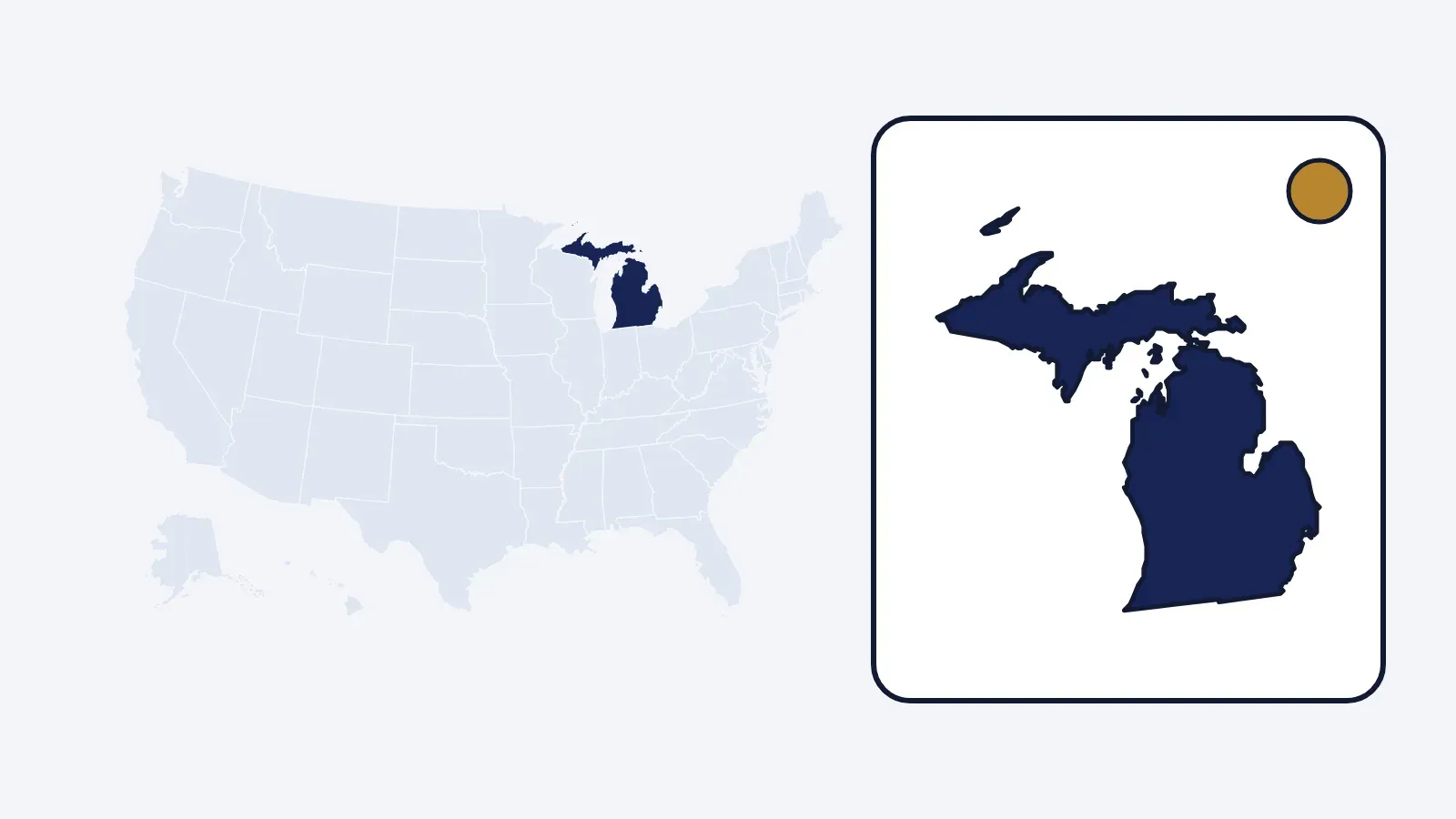
State claim rules
Michigan
Pay within 60 days of proof or 12% interest; salvage at 75% of value; no-fault PIP; 3 years to sue, 1 for PIP.