Deadlines
When your car insurance claim drags on
The deadlines insurers work under, what usually stalls a claim, and the written steps that get a file moving again.
By Valoroath Editorial Team Updated 7 min read
In plain terms
Insurers don't get unlimited time. Most states have an unfair claims practices law, and many follow the NAIC model regulation: acknowledge a claim within 15 days, accept or deny within 21 days after receiving proof of loss or explain in writing why more time is needed, send a status letter every 45 days while the investigation stays open, and pay an undisputed amount within 30 days. Some states, such as Texas, put their own deadlines in statute. When a claim stalls, find out what the insurer is waiting for, answer it in writing, keep a log, and use your state insurance department if deadlines pass.
- Acknowledge (NAIC model)
- 15 days
- Accept or deny (model)
- 21 days after proof
- Status letters (model)
- Every 45 days
- Pay undisputed amount
- 30 days (model)
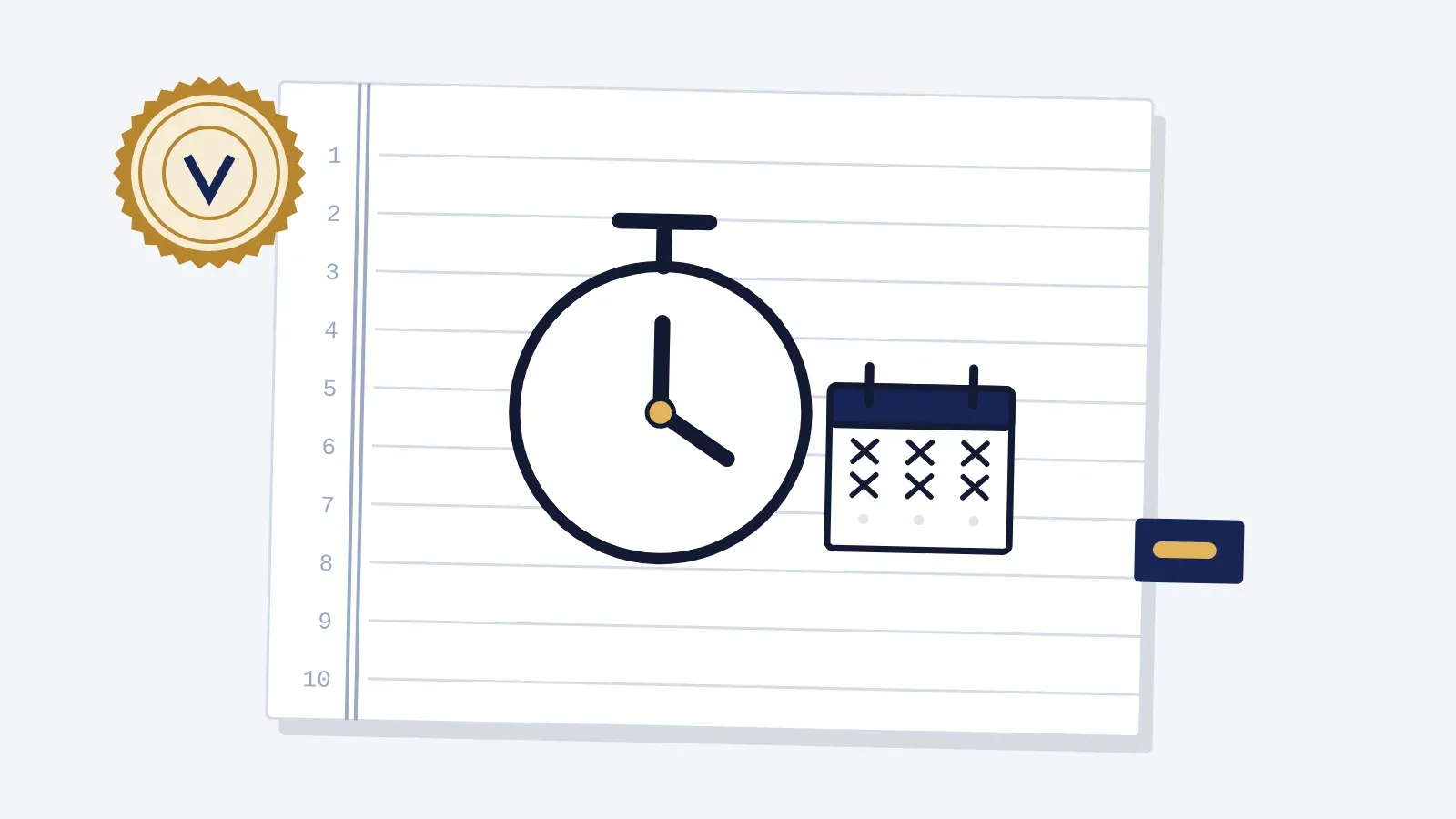
The deadlines an insurer works under
Every state has a law against unfair claim settlement practices, based on a model act from the National Association of Insurance Commissioners (NAIC). The act forbids, among other things, failing to acknowledge and act reasonably promptly on claims and failing to affirm or deny coverage within a reasonable time after proof of loss. Many states turn "reasonable" into days through a regulation built on the NAIC's model regulation for property and casualty claims.
| What the insurer must do | Time limit |
|---|---|
| Acknowledge your claim, or pay it | 15 days after notice |
| Answer your letters when a reply is expected | 15 days |
| Accept or deny after proof of loss, or tell you why it needs more time | 21 days |
| Explain in writing while the investigation stays open | 45 days after notice, then every 45 days |
| Pay an amount that is settled and not disputed | 30 days after accepting the claim |
These are minimum standards for regulators, not a promise in your policy, and states change the numbers. Some write longer or shorter limits into their own rules; Texas, for one, counts 15 business days after the insurer has everything it asked for. Your state's figures are on its page in claim rules by state.
Why claims stall
- Missing paperwork. The decision clock often starts only when the insurer has the proof of loss, the police report, repair estimates or medical records it asked for.
- A fault dispute. On a claim against another driver, their insurer may wait for its own driver's statement or the police report before accepting liability.
- Coverage questions. A lapsed payment, an unlisted driver or business use of the car can trigger a coverage review.
- Supplements. Body shops find hidden damage after teardown and send supplemental estimates that need approval.
- Fraud review. The model rule relieves the 21-day limit when an insurer has a documented reason to suspect fraud, but it must still decide within a reasonable time.
A third-party claim against the other driver's insurer is the most common slow file, because that insurer owes its duties mainly to its own customer. Claiming under your own collision coverage and letting your insurer recover the money later is often faster; see first-party vs. third-party claims.
Moving a stalled claim
- Ask what is missing. Call the adjuster and ask exactly what the insurer still needs to decide, then confirm the answer by email.
- Send it in writing and keep proof. Use email or a portal upload that gives a receipt. Keep copies of everything with the date sent.
- Keep a claim log: each call, the person's name, what was promised and by when.
- Write a status letter when a deadline passes: give the claim number, list what you sent and when, cite your state's time limit, and ask for a written decision or a written reason for the delay by a specific date.
- Ask for a supervisor or the claims manager if the adjuster doesn't answer.
- Complain to your state insurance department if the insurer still doesn't respond. Regulators forward the complaint and require a reply; see filing a complaint.
What to put in a status letter
A short, dated letter or email does more than a dozen phone calls, because it becomes part of the claim file a supervisor or a regulator will read. Keep it factual and specific:
- Who and what: your name, the policy and claim numbers, the date of the crash and the date you first reported it.
- What you have sent: each document with the date it went in, and a note that the insurer has not asked for anything else.
- The rule: the time limit in your state's regulation or statute, by its number, and the date it passed.
- The ask: a written decision on the claim, or a written explanation of what is still needed, by a date about 10 days out.
- The next step: one sentence saying you will contact the state insurance department if you get no answer by then.
Keep the tone flat. Adjusters handle heavy caseloads, and a clear letter that is easy to act on often moves to the top of the pile.
What a late insurer can owe
Regulators can fine insurers for a pattern of late claim handling. Some states also give you a direct remedy for a late first-party claim. Texas, for example, adds statutory interest and reasonable attorney's fees to what an insurer owes when it misses its Chapter 542 deadlines on a claim it is liable for. In a few states an unreasonable delay can support a bad faith claim; our page on insurance bad faith explains the difference between a slow claim and one handled in bad faith.
While you wait, the bills keep coming. If your car is in the shop, check the limits of your rental coverage so a long repair doesn't leave you paying for the last few weeks yourself.
Questions people ask
How long does an insurance company have to settle a car claim?
It depends on the state. The NAIC model regulation, which many states follow, asks insurers to accept or deny within 21 days after proof of loss and to pay an undisputed amount within 30 days. Some states, such as Texas, set their own deadlines in law.
What can I do if my insurance claim is taking too long?
Find out what the insurer still needs and send it in writing, keep a log, and send a status letter citing your state's deadline. If deadlines pass with no answer, file a complaint with your state insurance department.
Does the insurer have to tell me why my claim is delayed?
Under the NAIC model rule, yes: if it needs more than 21 days after proof of loss, it must tell you why in writing, and write again every 45 days while the investigation stays open.
Will my lawsuit deadline wait while the insurer investigates?
No. Negotiating with an insurer doesn't stop the statute of limitations. Note the deadline on your state's page and act before it passes.
Sources on record
- NAIC — Unfair Property/Casualty Claims Settlement Practices Model Regulation (MDL-902)
- NAIC — Unfair Claims Settlement Practices Act (MDL-900)
- Texas Insurance Code, Chapter 542 — Prompt Payment of Claims
- Supreme Court of Texas — Barbara Technologies v. State Farm Lloyds (2019)
Facts on this page were checked against these sources on November 11, 2026. The NAIC model is a template; check your state's adopted rule on its state page.
Ask a licensed agent to review your coverage
After a claim, the policy you had is the one you can still change. Describe your situation and Valoroath passes it to licensed insurance agents and insurers who can review your coverage and quote, if you want them to. Valoroath itself does not sell insurance or handle claims.
- 1 Five questions about your car, your record and your policy.
- 2 Who to ask for, and your consent to be contacted.
- 3 A licensed insurance agent or insurer reviews what you have. You change nothing unless you choose to.
Sending this request shares your answers and contact details with the licensed insurance agents and insurers who receive it, which some state privacy laws treat as a sale; see your privacy choices. An agent reviews your coverage; they can't take on your claim or a dispute with your insurer. You pay Valoroath nothing. The licensed insurance agents and insurers who contact you pay Valoroath for requests and set their own prices and terms; your claim stays with your insurer. How we make money.
Next in the file
-

Claim dispute
Complaining to your state
When a complaint helps, how to find your insurance department, what to include, and what it can and can't do.
-

Claim dispute
Insurance bad faith
What bad faith means on a car claim, first-party vs. third-party, and how state law changes the answer.
-
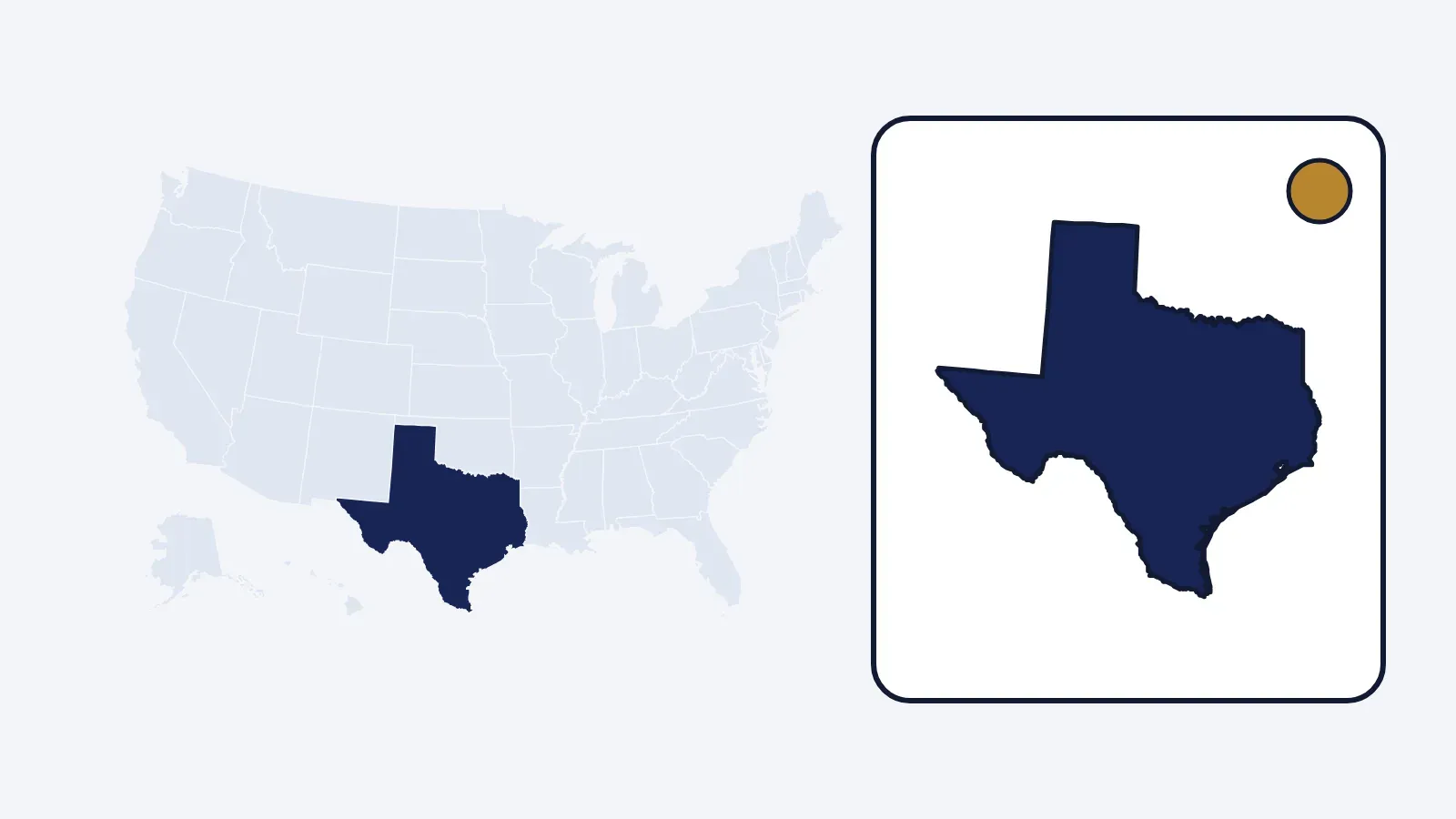
State claim rules
Texas
15 days to acknowledge, 15 business days to decide, 5 to pay; total loss over 100% of value; 2 years to sue.